

At HRBR, our consultants and clinical nursing team have observed a notable and concerning trend, an increase in patients presenting with scarring forms of hair loss, also known as cicatricial alopecias.
Based on internal clinic data, signs of previously undiagnosed scarring alopecia were identified in 1-2% of new patients presenting to the clinic in recent years. This has risen to over 7% in the first few months of 2026.
This sharp increase highlights a need for awareness, early detection, and appropriate management.
What is Scarring Alopecia?
Scarring alopecia refers to a group of conditions in which inflammation destroys the hair follicle and prevents its regrowth. As the process spreads, often accompanied by redness and possibly scalp itch, burning and tenderness, it results in progressive, permanent hair loss that can be patchy or diffuse in appearance.
Common forms include:
- Frontal Fibrosing Alopecia (FFA) – often seen as a receding hairline, particularly in women. The eyebrows are often also involved and may precede the hairline receding. Learn more.
- Lichen Planopilaris (LPP) – presenting as patchy, or less commonly diffuse hair loss. Close examination typically reveals redness and scale focused around hair follicles, and patients may describe a history of itch, burning or scalp tenderness. Some men may also notice beard hair loss. Learn more.
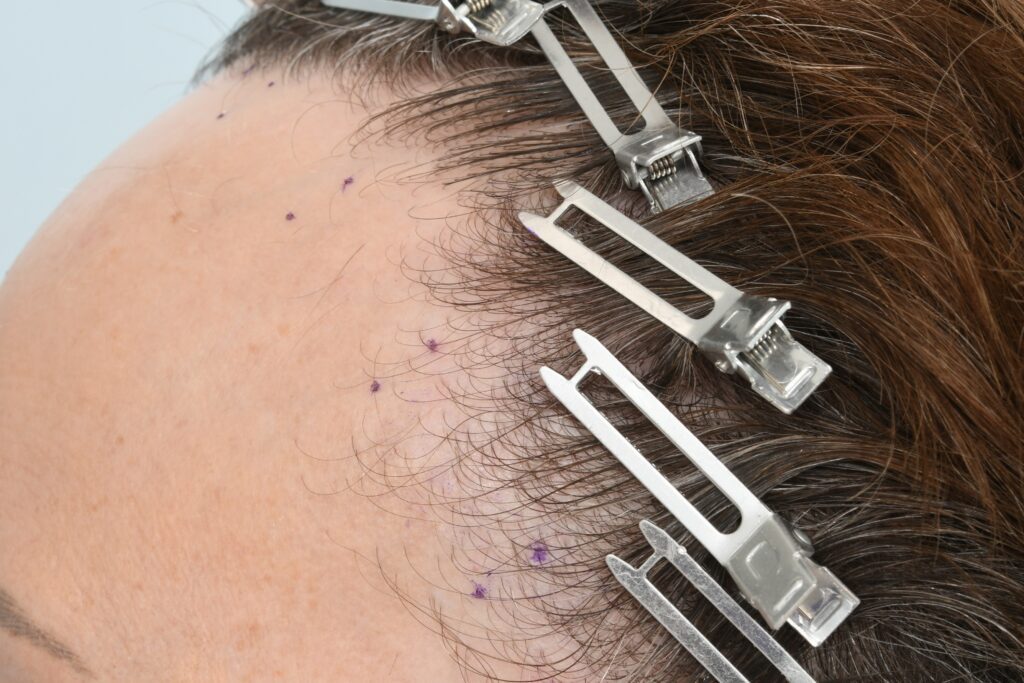
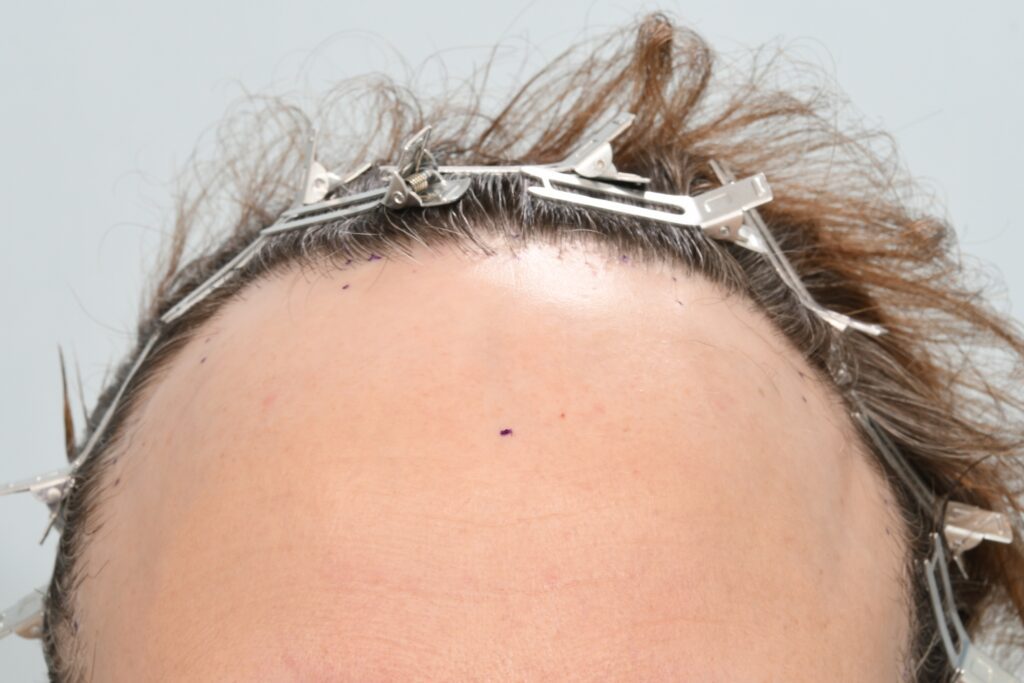
Why Scarring Alopecia is Not Always Suitable for Hair Transplantation
Hair transplantation relies on the presence of a healthy scalp environment capable of supporting newly implanted follicles. In scarring alopecia:
- The blood supply may be compromised
- The inflammatory process may still be active
- The skin structure is altered by fibrosis (scar tissue)
As a result:
- Transplanted grafts may fail to survive
- There is a higher risk of poor growth or complete graft loss
- The procedure may exacerbate inflammation, worsening the condition
In most cases, hair transplantation is not recommended unless the disease is fully stabilised, and even then outcomes can be unpredictable.
The Importance of Proper Diagnosis Before Treatment
One of the most critical risks we see is patients pursuing hair transplantation before receiving an accurate diagnosis.
Without proper assessment:
- Scarring alopecia may be mistaken for pattern hair loss
- Patients may undergo unsuitable procedures
- Valuable time for medical treatment may be lost, leading to irreversible progression
At HRBR, our approach emphasises:
- Detailed clinical examination
- Use of trichoscopy (scalp analysis)
- Referral for biopsy when required
Why Choosing a Reputable Clinic Matters
The increasing prevalence of scarring alopecia reinforces a key message, not all hair loss should be treated with transplantation.
A reputable clinic will:
- Prioritise diagnosis over procedures
- Recognise red flags for scarring conditions
- Refer appropriately when necessary
Patients should be cautious of clinics that:
- Offer immediate transplantation without diagnosis
- Do not assess scalp health in detail
Our Commitment at HRBR
The rise in scarring alopecia cases underscores the need for clinical vigilance and patient education. Our team remains committed to:
- Identifying conditions early
- Providing accurate diagnoses
- Ensuring patients receive the right treatment—not just a procedure
If you are experiencing hair loss, ensure that you are seen by a qualified medical professional with experience in hair loss conditions and treatment.
Contact the team at HRBR on +353 (0)1 209 1000
About the Author

Dr Dmitri Wall
Medical Director, Consultant Dermatologist and Hair Transplant Surgeon
MB BCh BAO RCP
Dr Dmitri Wall is Medical Director at Hair Restoration Blackrock, a consultant Dermatologist, Hair Transplant Surgeon (International Society of Hair Restoration Surgery member) and hair researcher. He has received internationally recognised subspecialist training in hair and scalp disorders, is an active publisher of research papers in international journals, and an Associate Professor in the University College Dublin, School of Medicine.